
Whoidentifies.me - Transparency for Europe’s digital identity
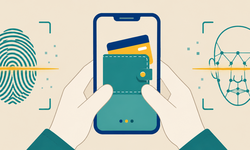
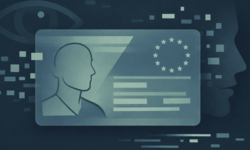
According to the EU's plans, digital identity is to become a central part of our lives and our day-to-day online presence. Under the eIDAS Regulation, the currently available ID Austria will transition to a new EU-wide system, the European Digital Identity Wallet (EUDI Wallet). In the future, this regulation should enable European citizens to use their state-certified identity and other personal data for public authorities, banks, insurance companies, employers, transport companies, and large online platforms across Europe.
The eIDAS Monitor
However, what has been lacking in this new regulation is transparency: who is requesting what data, and for which purpose, and to what extent is the data used? This is precisely the focus of our new project: developing an eIDAS monitor called Whoidentifies.me.
This Whoidentifies.me eIDAS monitor functions as an open-data transparency platform for digital identity wallets. It identifies which companies and government agencies use digital identity systems, which personal data the companies and agencies request, and for which purpose they use this data. The platform operates using publicly accessible and legally required interfaces of the national eIDAS registers of all EU Member States. With Whoidentifies.me, we are compiling this previously fragmented and poorly accessible information for the first time in a way that is comparable, understandable, and searchable across Europe. You can read allabout our concept here.
Early warning system for digital fundamental rights
In the future, national users of ID systems, such as Austria’s ID Austria, Estonia’s e-ID, Denmark’s MitID, or Spain’s electronic DNI, will be confronted with data requests from the entire EU single market due to the transition to eIDAS. These often include requests for sensitive, state-certified personal information. The eIDAS system is designed to be used in various aspects of life, including health, transport, and telecommunications. However, this poses an increased risk of abuse, misuse, exclusion, and discrimination against vulnerable groups and discrimination against people without a smartphone, passport, or digital identity.
Thus, Whoidentifies.me creates the necessary database to identify problematic developments at an early stage and a platform to discuss them publicly before damages occur. Personalised warning messages consequently inform the interested public in real time about relevant developments in the ecosystem, well before users are confronted with personal data requests.
The platform is specifically designed for consumers and data protection organisations to ensure, in the future, easy access to real-time information about the entire eIDAS ecosystem to detect and prevent any abuses early on.
NGOs advocating for vulnerable groups, such as senior citizens, people with disabilities, or people with a migrant background, also gain crucial information advantages, helping them recognise and respond to relevant use cases accordingly at an early stage. Meanwhile, science and the public benefit for the first time from a complete, Europe-wide overview of the eIDAS ecosystem. Companies also benefit from a transparent and trustworthy environment that is free of abuse and discrimination.
We develop Whoidentifies.me as an open software. The entire source code and all collected data are openly available and can also be used decentrally. The requirements for the platform were drafted in collaboration with relevant NGOs and scientists from various sectors and will be continuously developed over the course of the 1.5-year-long project.
We, epicenter.works, stand behind this project. We are a non-profit organisation that has been campaigning for the protection of fundamental rights and freedoms in the digital space for over 15 years.
Open & transparent
Since 2017, we have been working intensively at the European level on digital identity systems, applying our legal and technical expertise to legislation and standardisation processes.
Digital identity will permanently change how we use the internet. Whether this system ultimately creates trust and greater self-determination or reinforces over-identification, control, and discrimination depends largely on how transparent and rights-based its implementation is. At least, we want to ensure, with Whoidentifies.me, that everyone can discuss the impact of the system on society on a fact-based level.

Since you're here
… we have a small favour to ask. When governments constantly demand new surveillance measures, collect more and more data about us, or when corporations increase their profits at our expense, we start campaigns, write analyses or demand our rights in the courts. For all of this we need your support. Help us form a strong voice for civil society!
Donate Now!